
Winner of two gold awards at the National Building & Construction Awards, for Sustainability and Community Engagement
It is the largest urban straw-bale community self-build in Europe. It is one of the lowest impact construction solutions available.
Photos: Richard Dormandy, Straw Works
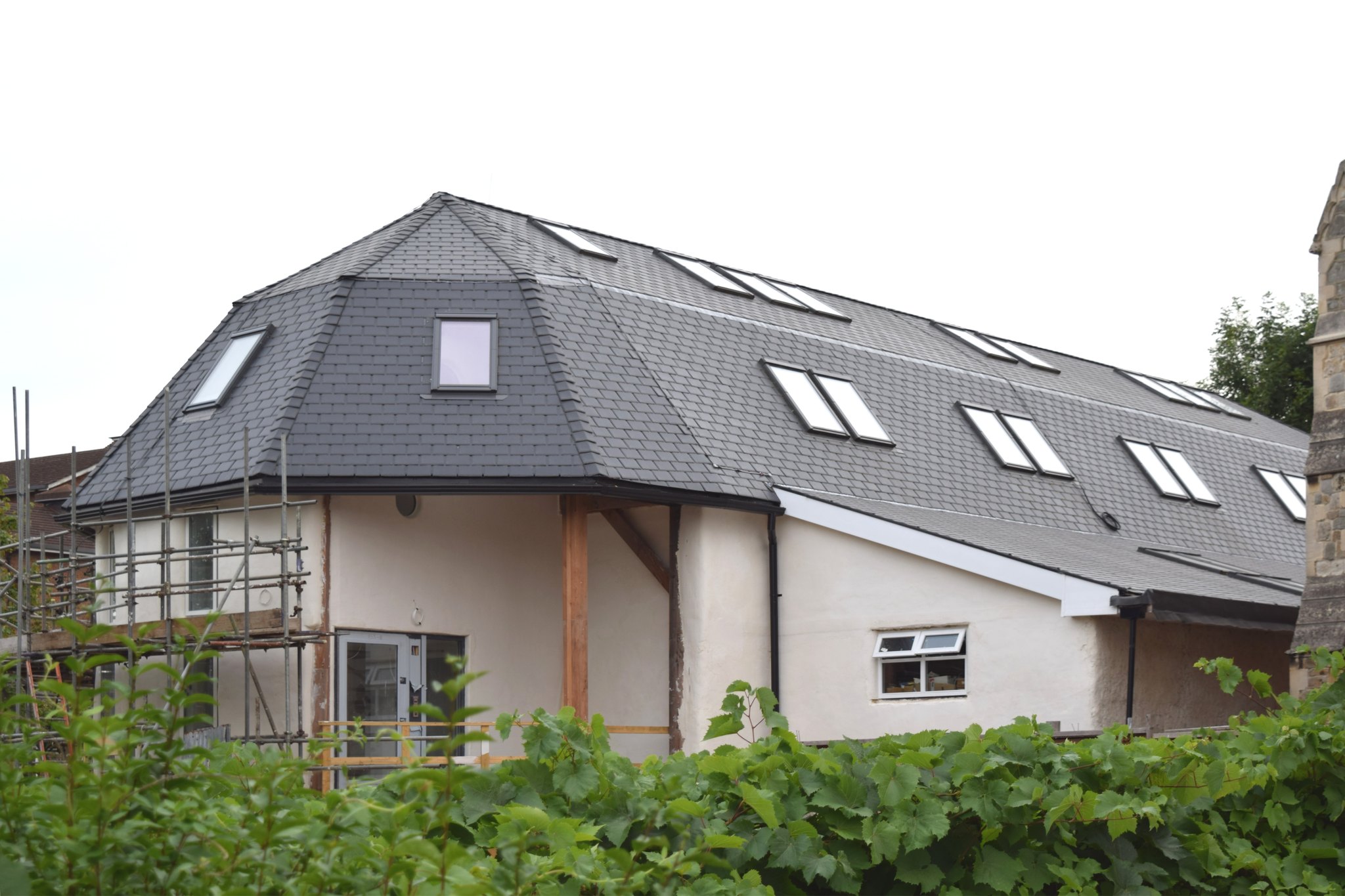
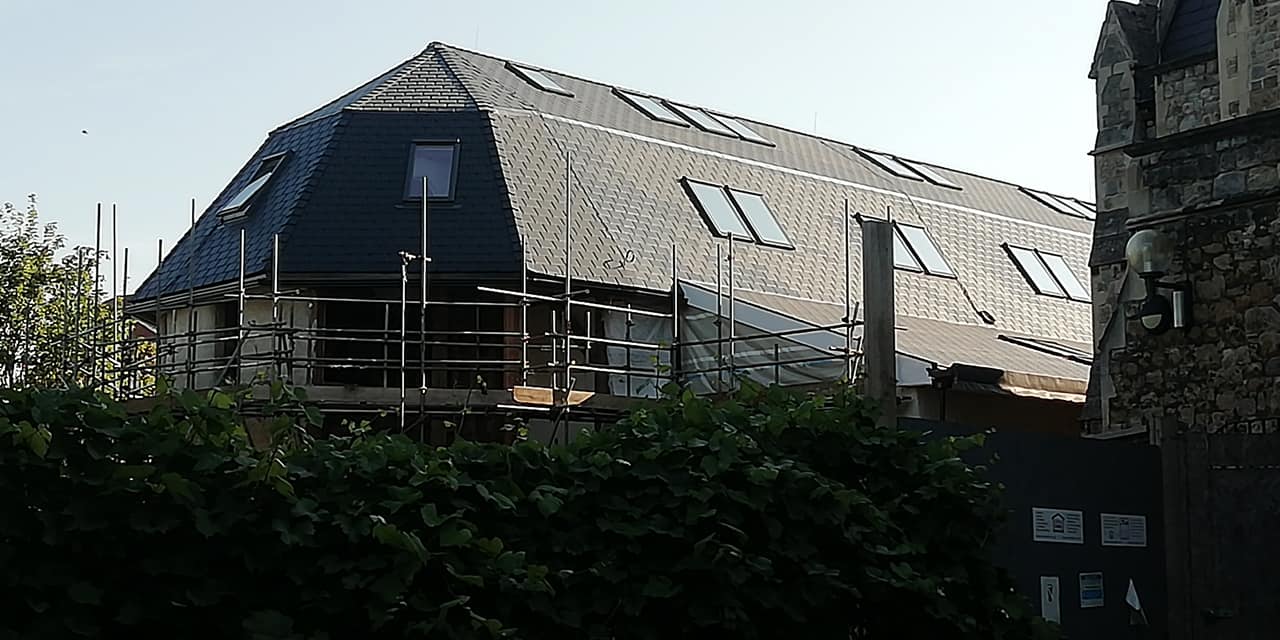
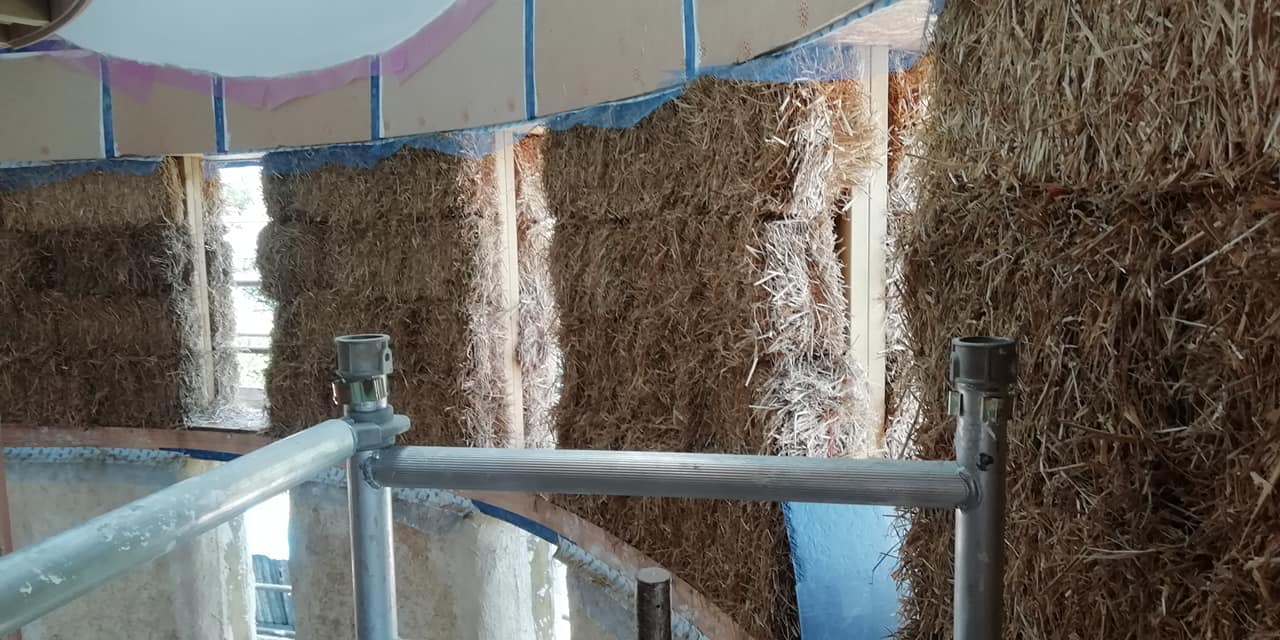
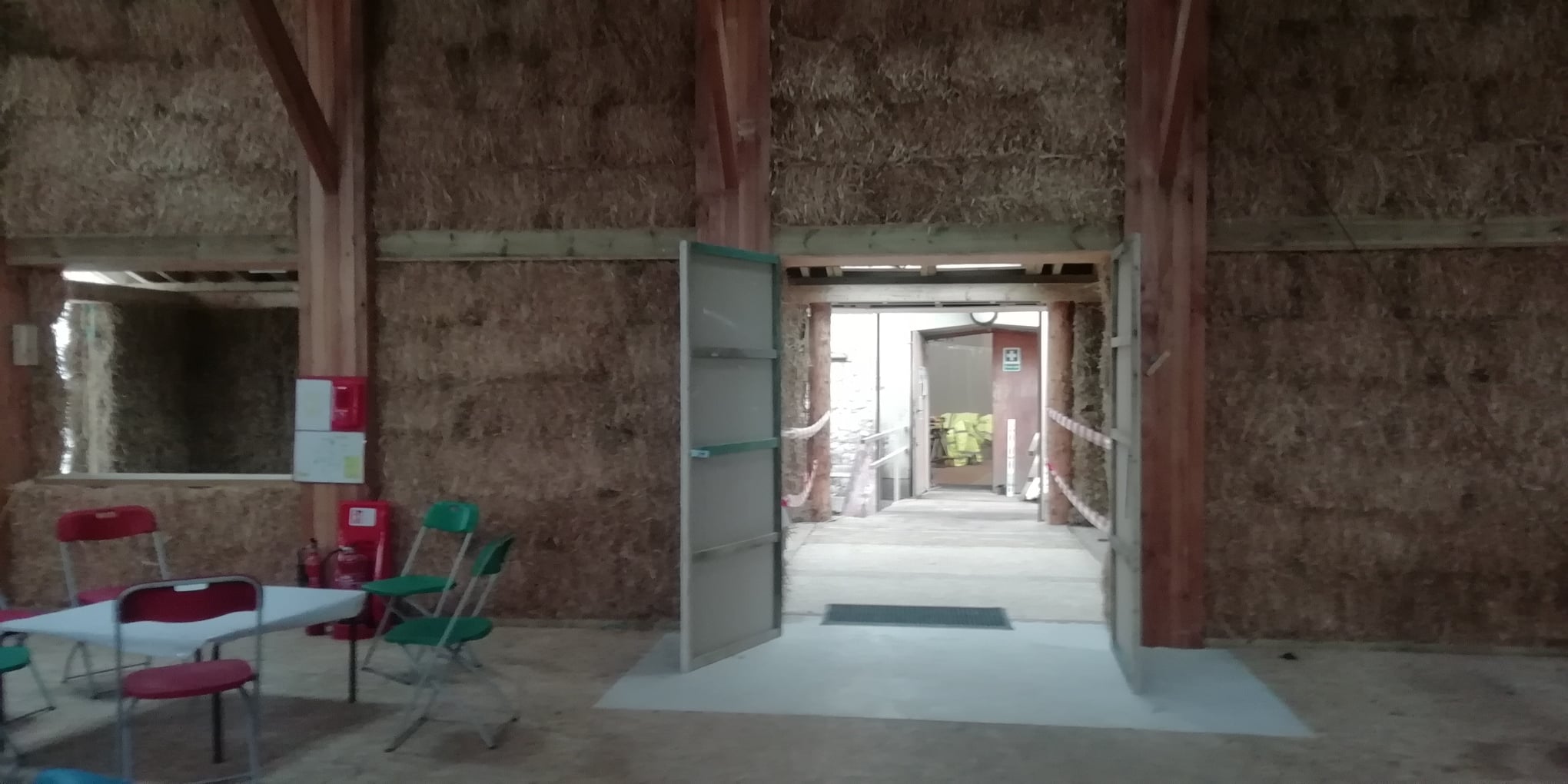
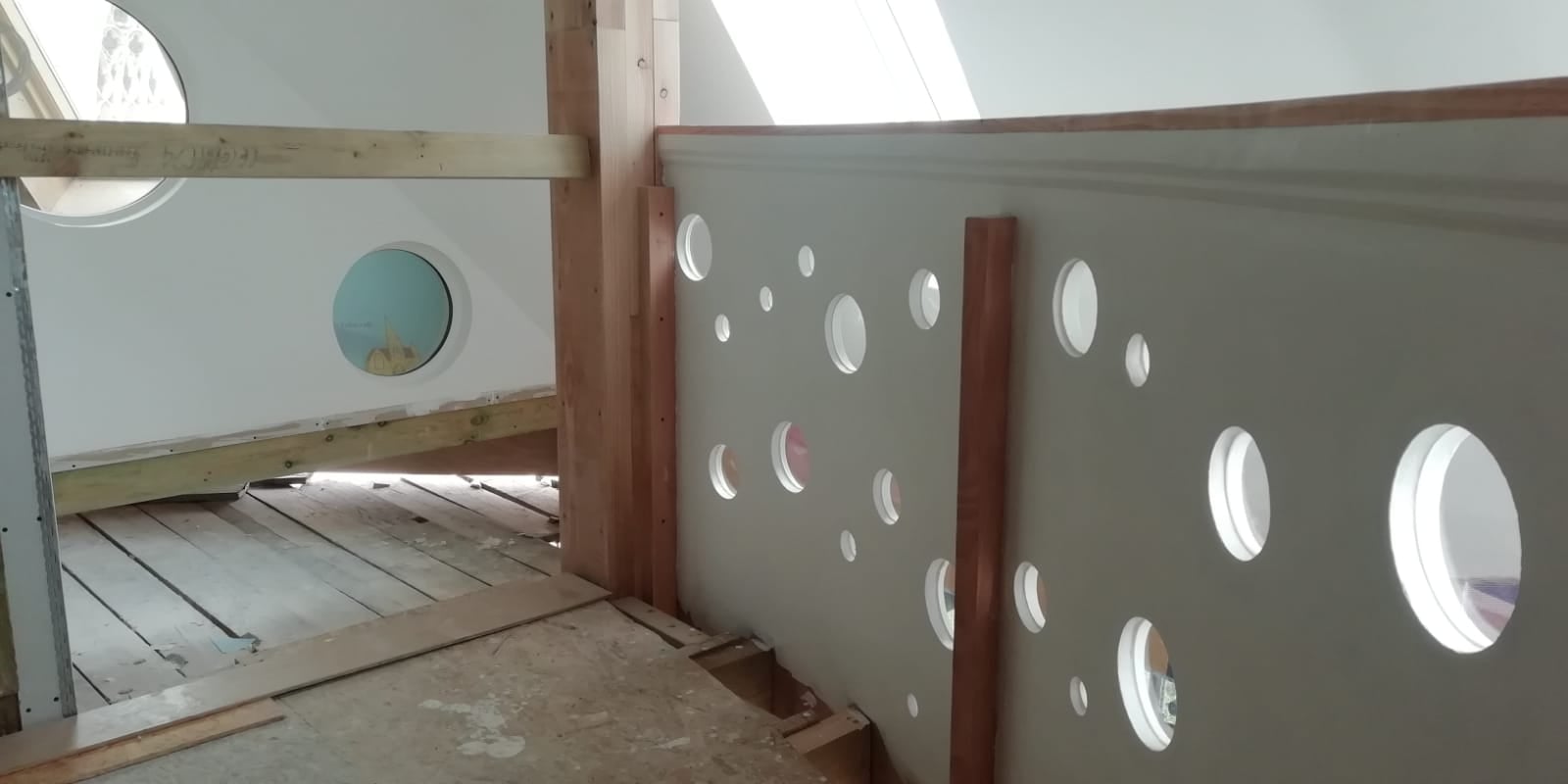
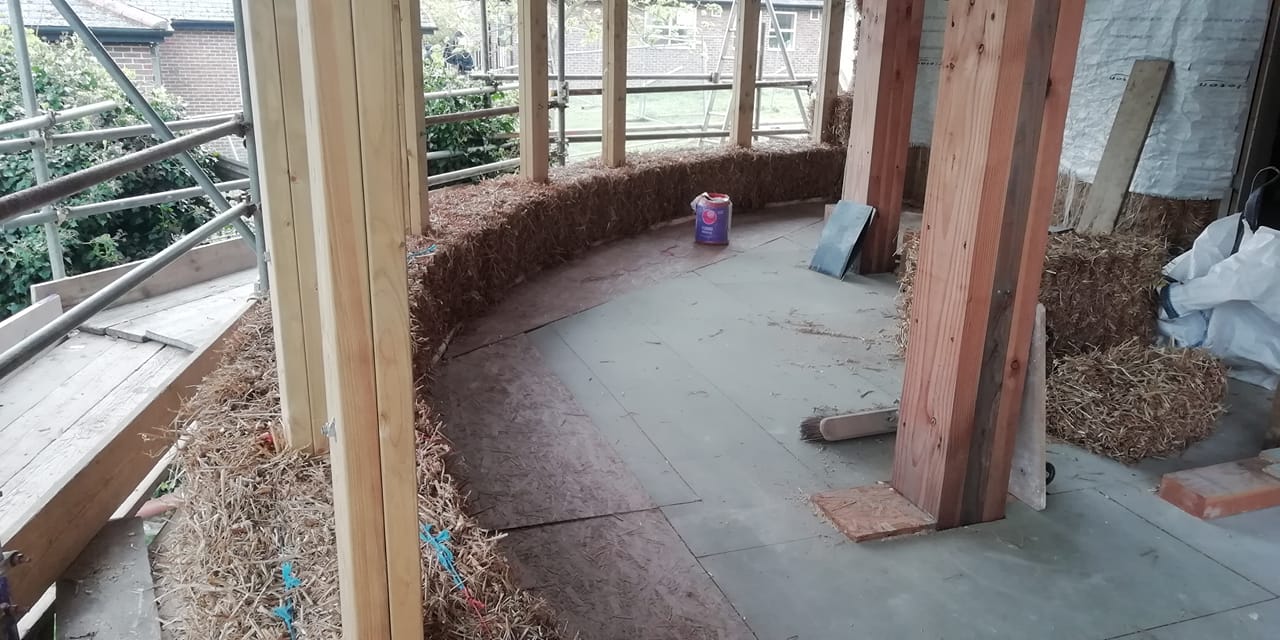
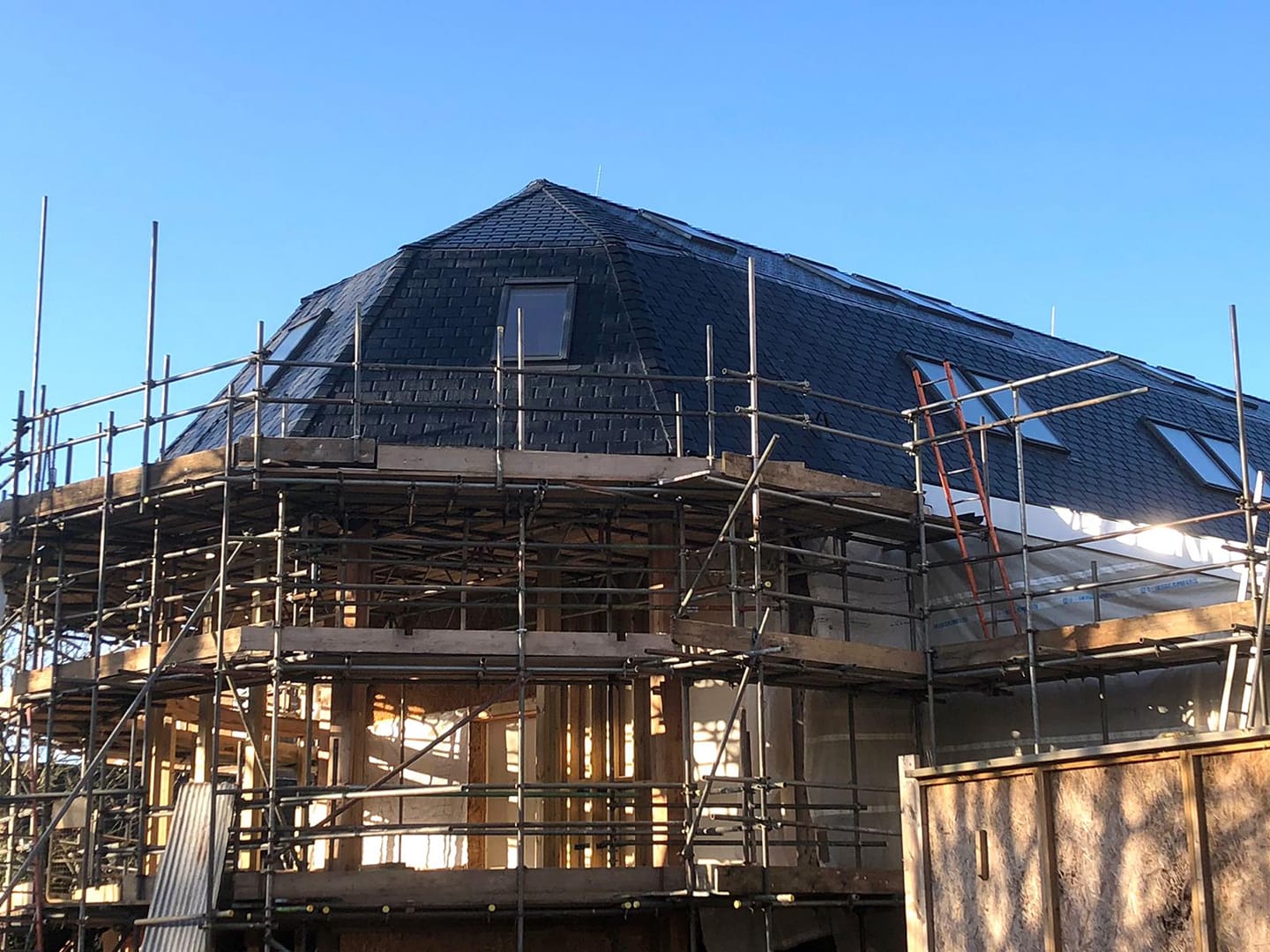
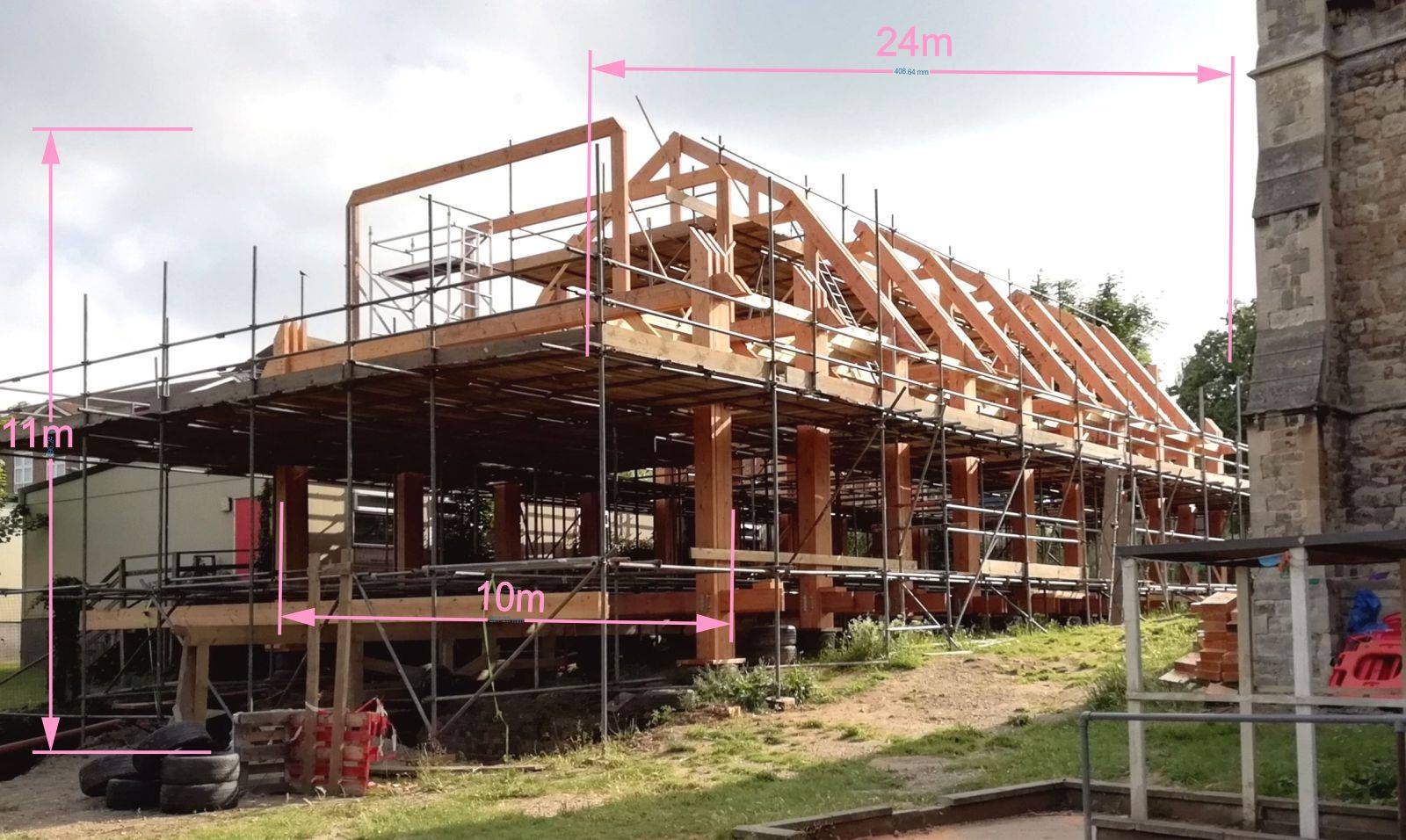
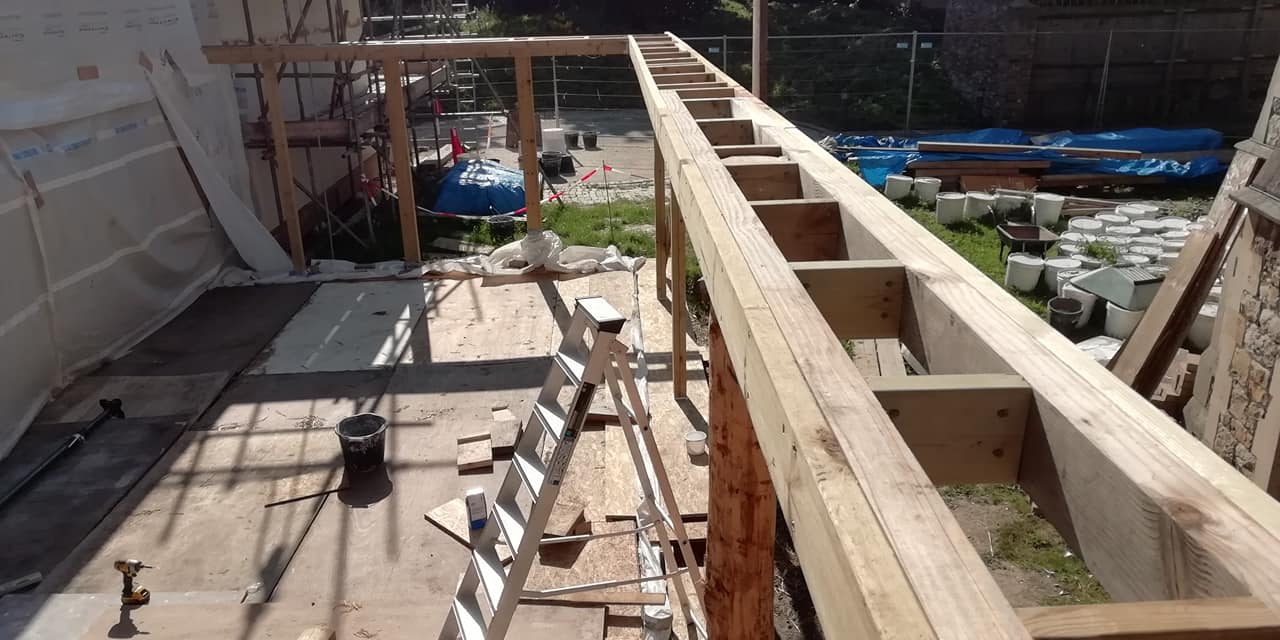
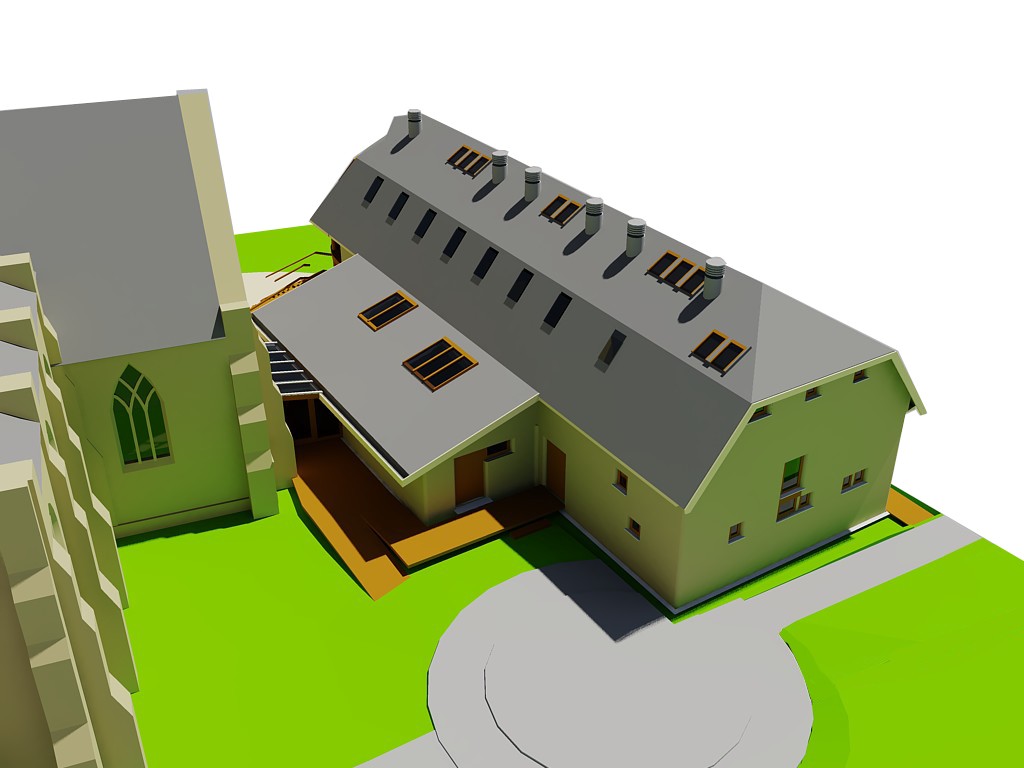
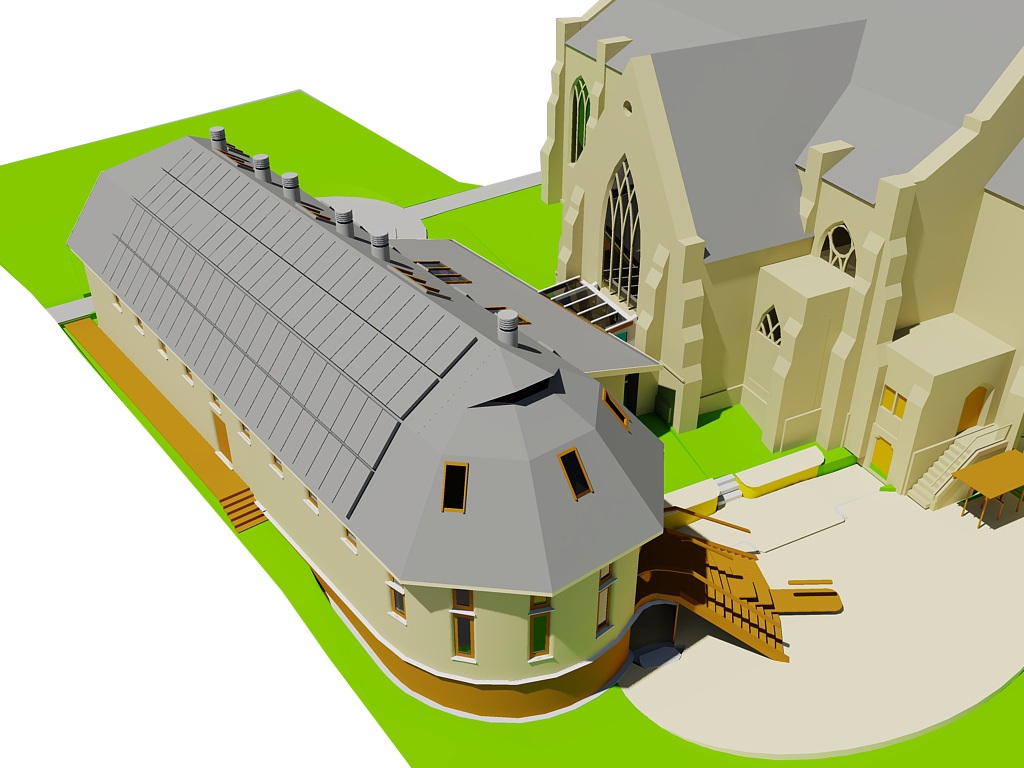
Designed by Straw Works and with training from SNaB so that it can easily be built by non-professionals, the project has involved over 500 volunteers of all ages and abilities since 2017. A hands-on, slow-paced approach has been used inspire, educate and empower people through sustainable construction.
Straw Works worked closely with Richard Dormandy, the inspirational vicar (@strawvic), the church community, and the Diocesan Architectural Committee (DAC) of the Anglican Church. Jakub Wihan of Straw Works were the lead designer and he has developed and maintained a close working relationship with Richard that means together they have been able to make sure all our environmental principles for a healthy, natural building can be realised without compromise.
This is a hybrid building, with a timber frame partially supported by compressed straw walls. By building with natural materials and avoiding concrete, alongside the use of solar PV, heat pumps, and a carefully designed M&E system this has huge carbon savings, both in construction and in use. It is 108 tonnes carbon negative in construction, and will save approximately 10 tonnes of carbon per year, and is expected to last up to 200 years.
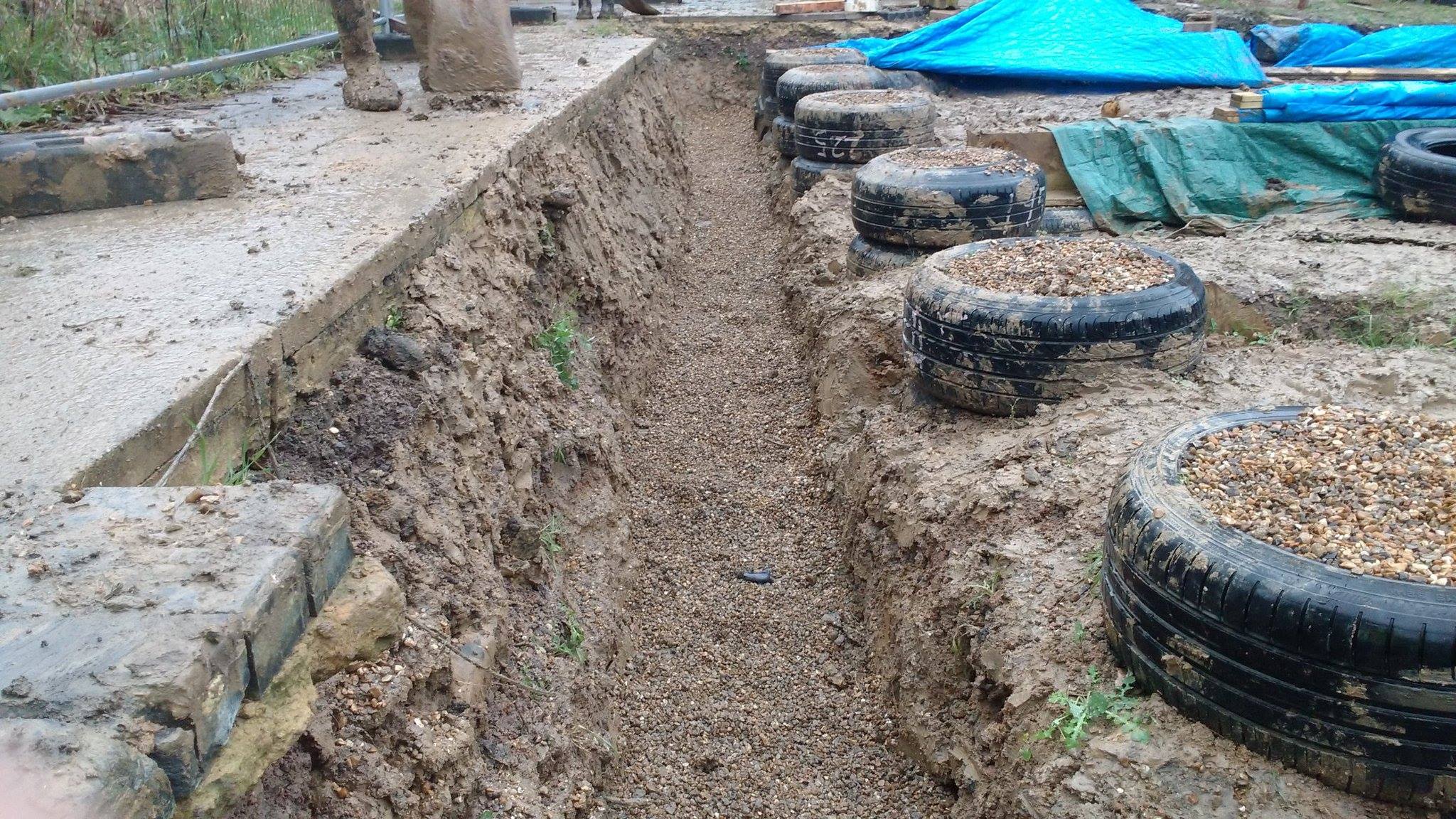
Using the flexible foundation designs they have been able to keep the depth of trenches far less than that required for poured cement, thus making it possible for non-professionals, under supervision from the School of Natural Building to build them themselves. This has resulted in a massive saving for the Church of £100,000!
For this building independent load tests were done on the car tyre foundations as there are some quite large point loads because of the posts. We are delighted to say all tests passed with flying colours – they have shown that car tyre foundations can carry loads of at least 1000KN/m2 – more than this building requires.
You can read more about the project, which won two gold awards at the National Building & Construction Awards 2021, for Sustainability and Community Engagement here.